
One gutter corner spills during downpours
Record whether the water passes over the front of the gutter, runs behind it or backs up near the outlet. Ask the assessor to check the outlet, slope and the area where the roof valley enters the gutter.
Mark Roofing Contractors
Find out where roof runoff is collecting and what gutter or downspout work might address it.
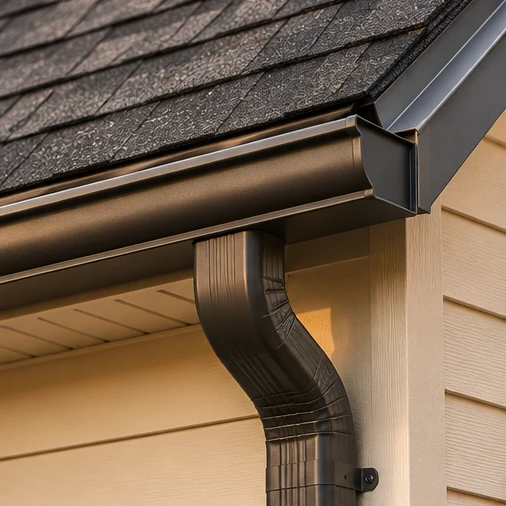
Overflowing gutters, wet fascia, and misplaced runoff
Note where the water leaves the roof and what it reaches next. A valley can send a lot of water to one corner, and a downspout can move that runoff onto a lower roof or toward an entryway. A photo showing the valley, gutter and outlet together gives more context than a close-up of the overflow.
Record whether the water passes over the front of the gutter, runs behind it or backs up near the outlet. Ask the assessor to check the outlet, slope and the area where the roof valley enters the gutter.
Photograph the discharge point from the ground and note whether nearby shingles show wear. Ask how the outlet can direct runoff away from that roof section and whether the covering or flashing also needs assessment.
Share where the staining starts and whether it changes after rain. Ask what condition the fascia, drip edge and gutter attachment are in before deciding how much material needs to be changed.
Roof assessment
Overflow can send water toward fascia, siding or the roof edge. An inspection can help distinguish a drainage issue from a failure at the roof covering or flashing.
Record the corners or runs that spill and whether it happens only during heavy rain.
Look for outlets that drain onto a lower roof or pool next to the building.
Ask how the gutter work will address loose fascia, drip edge and related damage.
Scope and estimate
If overflow is limited to one corner, the assessment can check the outlet and nearby valley first. If the fascia is loose or water runs behind the gutter, ask what needs repair at the roof edge as well as at the gutter.

Observe where water spills and whether that happens during steady rain or only in heavy downpours. The gutter run, roof valley and downspout may all feed the same problem. Take a ground-level photo showing where runoff exits.
GAF bulletin on gutter and downspout runoff ↗Find the right next step for your roof, from tracing a leak to comparing replacement options.

Request a property-specific look at roof condition, visible damage, flashing and drainage.

Track the source of a roof leak or localized damage and understand what a repair needs to cover.

Compare a full roof replacement scope covering removal, decking, drainage details and the new system.
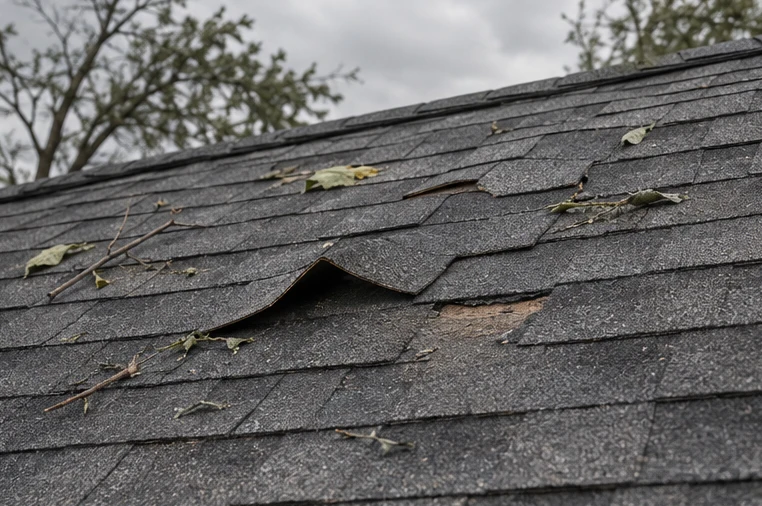
Get a roof assessment after wind, hail or debris and document the condition before deciding on repairs.

Discuss suitable metal panels, roof slope, flashing and drainage before comparing proposals.
Explore the areas in Street View. Call the closest office with your property ZIP code to ask about gutters and confirm coverage.
A blocked outlet, the gutter’s slope or concentrated runoff from a valley can cause localized overflow. Note when it happens and where the water goes.
It can point to a roof-edge or flashing detail that needs assessment. Ask the roofer to check the fascia and drip edge.
Concentrated discharge can wear roofing or create a leak path. Ask how the outlet can direct water without overloading the lower roof.
Look for loose hangers, sagging runs, missing downspout sections and staining below joints. Take photos without climbing.
Include them when roof replacement or a recurring leak involves the edges, valleys or downspout outlets. The details affect how water leaves the building.
Contact your local office