From a safe place, record when the weather passed and when the first stain, drip or visible change appeared. Take wide photos that identify each slope before closer shots. Keep the storm date separate from the dates when new symptoms appeared, especially if another rain follows.
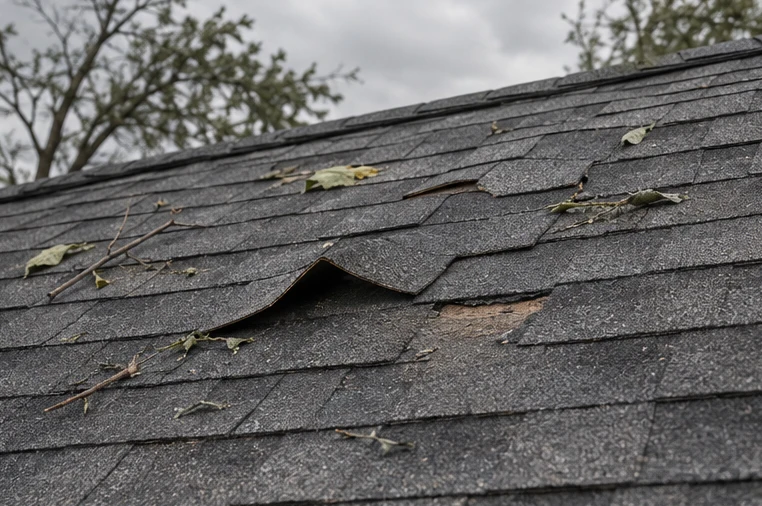
Shingles are missing after wind
Take one wide photo for each visible slope and note where any loose material landed. An inspection can look beyond the most obvious gap to check ridges, edges and flashing. If you already had a leak there, include that history.
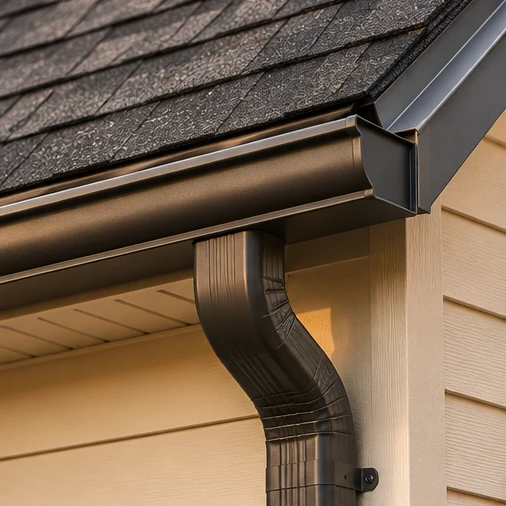
You notice marks on gutters or vents after hail
Record the affected sides and the date of the storm. A mark on a metal component gives the assessor a place to start, while the roof covering and its condition still need their own assessment.
Water is entering near an impact
Keep clear of sagging material, wet electrical fixtures and unstable branches. Call the closest office to describe the active leak and ask about safe temporary protection and what can be inspected.
Roof assessment
What should I check after a storm damages my roof?
From a safe place, look for missing materials, damaged gutters, debris and fresh water stains. Save photos with dates and call your local office to ask about an assessment when conditions are safe.
Ground-level observations
Capture a wide shot of each visible slope and record any debris or loose roofing.
Interior signs
Note the time and location of drips, damp spots or ceiling stains.
Written documentation
Ask for the affected areas, observed conditions and proposed next steps in writing.
Scope and estimate
Separate the immediate concern from the repair
An inspection can help tell whether damage is concentrated on one slope, spread across roof details or accompanied by prior wear. Ask for a description and photos of the observed areas before comparing repair options.
An active leak needs attention
Tell the office where water is coming in and which areas are safe to reach. Ask about temporary protection and what must wait for safer conditions.
Damage appears limited to one area
Ask which surrounding materials and connections were checked and how the proposed repair would tie into the roof.
Several sections may be involved
Request photos and findings by slope. If you plan to contact an insurer, ask what documentation it needs and how to report the event.
Document damage before deciding on work
Photograph the visible slopes from ground level once conditions are safe. Include a wide shot, any material on the ground and the first interior water marks. Write down when the storm passed and when each change appeared.
How can I check for storm damage from the ground?+
Look for missing material, loose edges, fallen debris and damage to gutters or vents. Save dated photos and stay away from unstable branches and power lines.
Can roof damage show up after the storm ends?+
Yes. Water marks can appear later or only during another rain. Record when and where each sign appears.
What should a storm inspection document?+
Ask which slopes and details were checked, what damage was observed and which areas were inaccessible.
Should I put a tarp on the roof myself?+
Keep off a wet or damaged roof. If temporary protection is needed, ask a roofing professional what can be done safely and when.
What should I share if I contact my insurer?+
Ask your insurer what it needs. Dated photos, inspection notes and receipts can help document what happened.